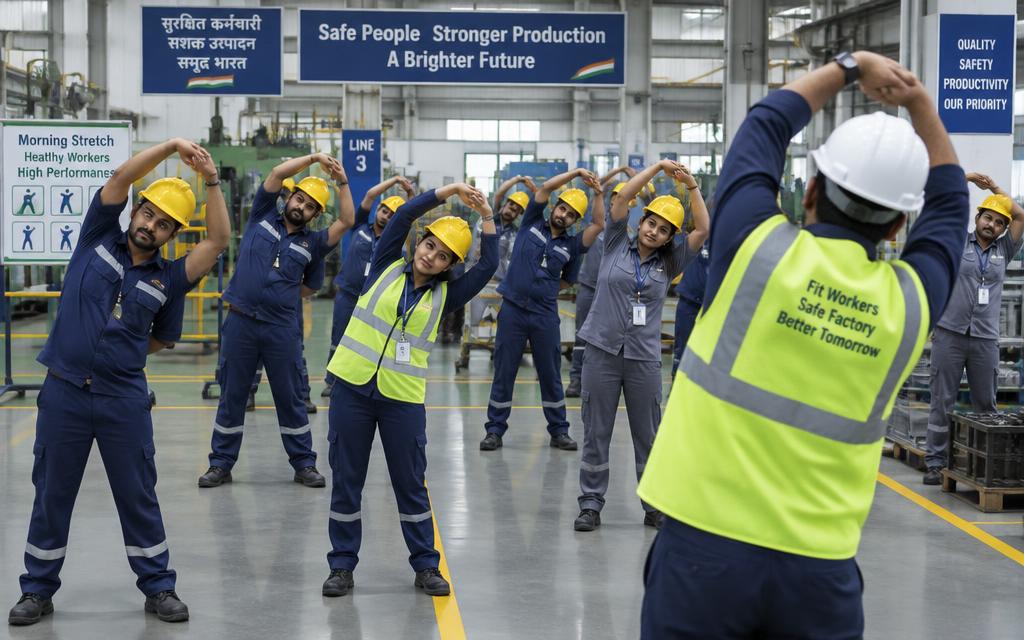
Industry
Employee wellness for Logistics & Warehousing
Logistics & Warehousing teams face heavy lifting, irregular hours and fatigue. Our programs target these challenges directly.
Working conditions in Logistics & Warehousing
Warehouse and logistics operations run around delivery schedules and seasonal peaks such as festive season and end-of-quarter dispatch, rather than a fixed 9-to-6, and the workforce — pickers, loaders, drivers, dock staff — does physically demanding work that carries real injury risk from repetitive lifting, awkward postures and long hours on their feet. Irregular shift patterns and overtime during peak periods add fatigue on top of the physical strain.
Warehouses are also large, often noisy, and organised around dock schedules and material flow that can't simply pause. Any program here has to work around dispatch windows and shift rosters, use space away from active forklift and conveyor zones, and focus on the specific physical strain of lifting and standing work rather than a generic fitness message.
Recommended programs for Logistics & Warehousing
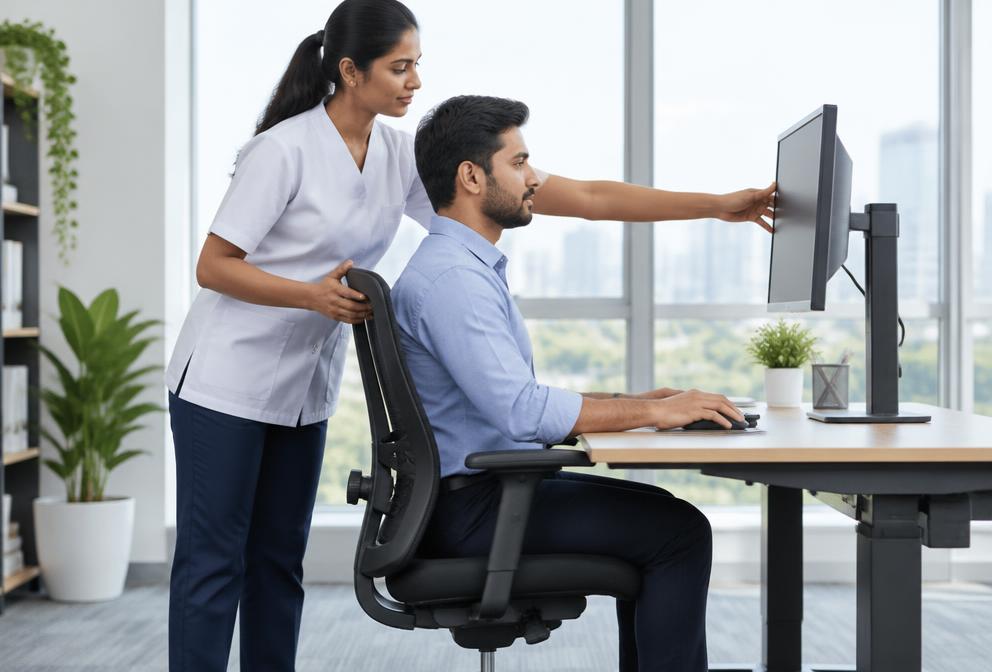
Ergonomics & Posture Workshops
Physiotherapist-led ergonomics audits and posture correction.
Learn more
Corporate Health Check-up Camps
Corporate health check-up camps and annual employee health assessments, with clinician-selected inclusions, appointment planning and confidential reporting.
Learn more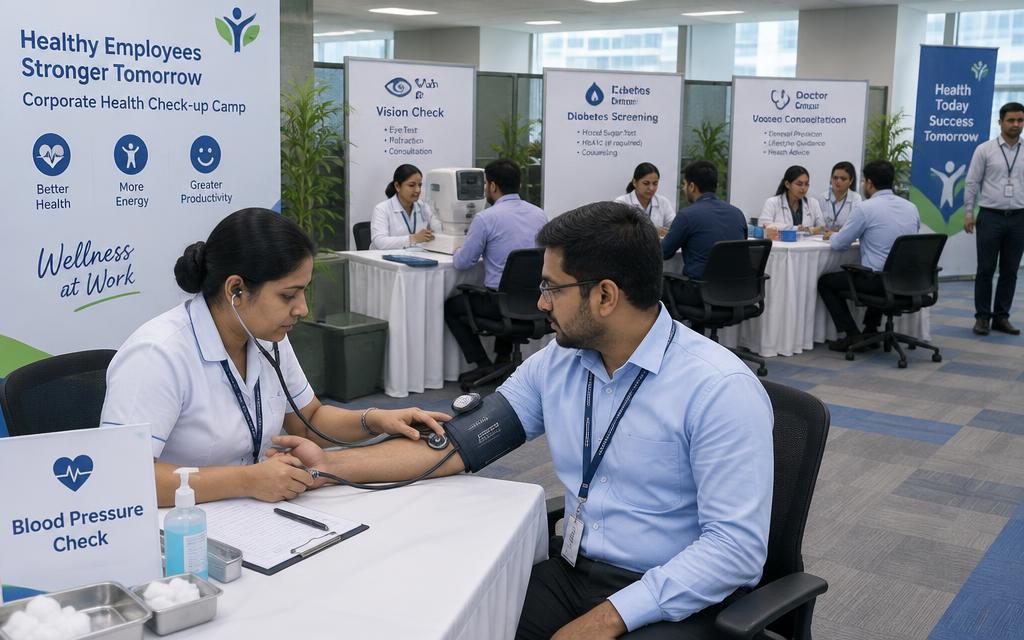
Lifestyle Disease Prevention
Programs to prevent and manage diabetes, BP and cholesterol.
Learn more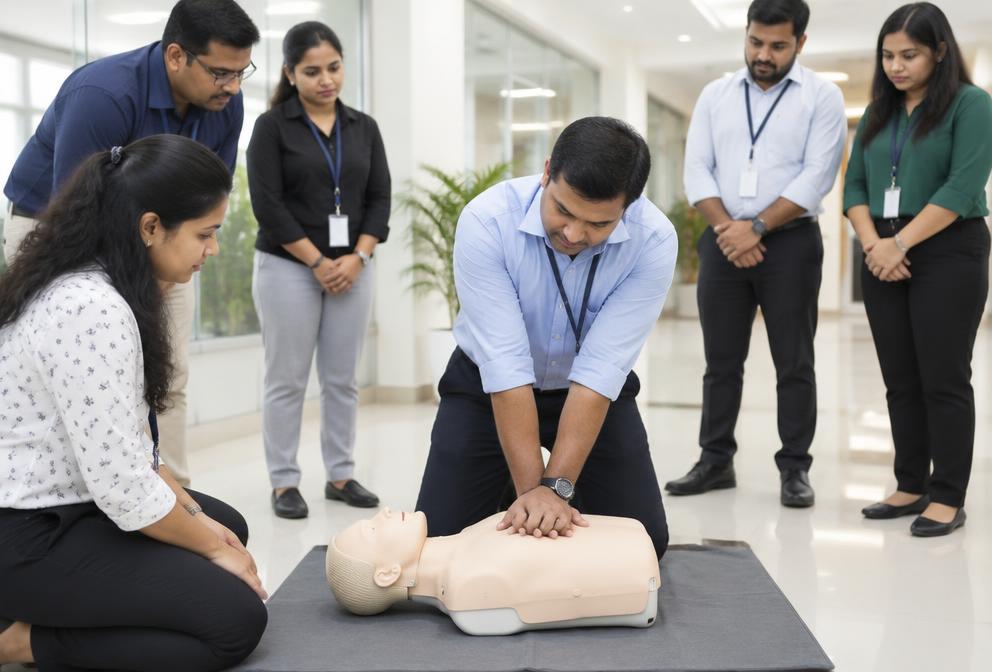
CPR & First Aid Training
Certified CPR, AED and first aid training at your workplace.
Learn moreChallenges in Logistics & Warehousing and how we address them
Dispatch schedules and peak season leave little predictable downtime
We schedule sessions around your dispatch calendar, avoiding peak dispatch windows and festive-season surge periods by default, and offer shorter 15-20 minute formats during slower hours.
Repetitive lifting and awkward postures cause recurring strain injuries
Ergonomics workshops and physiotherapy camps focus specifically on lifting technique, load handling and recovery stretches for the muscle groups most used in picking and loading.
Shift and overtime patterns are irregular and vary week to week
We confirm the week's roster with your warehouse manager before each visit rather than fixing a permanent calendar date, since logistics shifts move more than most industries.
Active forklift, conveyor and dock areas aren't safe for group sessions
Sessions are held in break rooms, canteens or designated rest areas away from material-handling equipment, confirmed with your site safety team in advance.
What a typical Logistics & Warehousing program looks like
A phased rollout so the format is proven on a small group before it scales across your sites.
- 1
Step 1: Dispatch and roster review
We review your dispatch calendar and shift roster with warehouse operations to identify consistently quieter windows.
- 2
Step 2: Pilot during a confirmed low-dispatch window
A physiotherapy or ergonomics session runs first during a confirmed quiet period to validate timing and venue.
- 3
Step 3: Add health check-up camps
Health check-up camps are scheduled on a less time-sensitive day, not during a dispatch peak, since they require a longer, less interruptible slot.
- 4
Step 4: Peak-season adjustment
During festive or quarter-end peaks, the calendar shifts to very short 10-15 minute stretch breaks instead of full sessions, resuming the normal format once the peak passes.
Scheduling & delivery considerations
| Dispatch-aware scheduling | Sessions avoid confirmed peak dispatch windows by default; exact timing reconfirmed with warehouse ops before each visit |
|---|---|
| Venue | Break room, canteen or rest area away from forklift, conveyor and loading-dock zones |
| Peak-season format | 10-15 minute stretch/recovery breaks during festive or quarter-end surges, replacing the standard 45-60 minute session |
| Health camp duration | Full health check-up camps, 60-90 minutes per batch, scheduled on lower-dispatch days given the longer, less interruptible format |
Logistics & Warehousing wellness by city
About Employee Engagement India
Employee Engagement India (employeeengagementindia.com) is a corporate wellness and employee engagement company serving Mumbai, Pune, Thane, Navi Mumbai and Panvel since 2015. We offer 91 services across 9 categories, including corporate yoga, fitness, mental health workshops, EAP counselling, health check-up camps, nutrition, workshops and team building, delivered by 250+ certified experts to 500+ companies.
FAQs for Logistics & Warehousing companies
Plan your next wellness program with us
Tell us your team size, city and goals. Get a tailored proposal within 24 hours.